
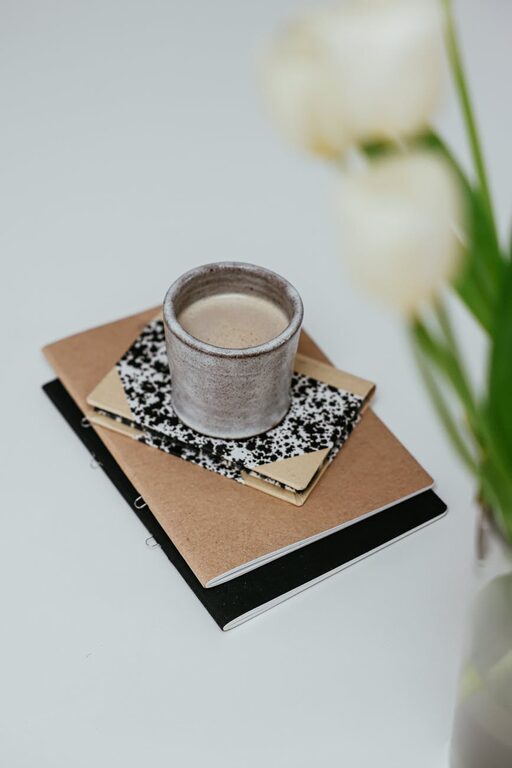
Choosing a notebook may seem simple, but picking one that you’ll genuinely enjoy using every day takes a bit of thought. Whether you want to jot down ideas, plan your week, or keep a personal journal, having the right notebook can make a big difference to your productivity and creativity.
In this post, we’ll explore how to select a notebook tailored to your lifestyle and preferences, so it doesn’t just sit on your shelf but becomes a trusted companion.
Understand Your Purpose
Before you look at colors, sizes, or paper types, think about why you want a notebook. Here are some common purposes:
– Journaling: Daily reflections, creative writing, or gratitude logs
– Planning: To-do lists, calendars, goal tracking
– Note-taking: For work, classes, or meetings
– Sketching: Doodles, drawings, or design ideas
Knowing your primary use helps narrow down the qualities your ideal notebook needs.
Consider Size and Portability
Notebooks come in various sizes, each with advantages and drawbacks:
– Pocket-sized (A6 or smaller): Fits easily in a purse or pocket, great for quick notes or ideas on the go.
– Medium (A5): A popular size that balances portability with enough space to write comfortably.
– Large (A4 or larger): Offers plenty of room for detailed notes or sketches but can be bulky.
Ask yourself where you’ll keep and use your notebook most often. Will you carry it daily? Or mostly use it at your desk?
Choose the Right Paper Type
The type of paper affects how smooth writing feels and which pens or pencils work best.
– Lined paper: Perfect for writing and keeping things neat.
– Blank pages: Ideal for sketching, mind-mapping, or more freeform thoughts.
– Grid or dot grid: Offers structure without the rigidity of lines—popular for bullet journaling.
– Paper weight: Measured in GSM (grams per square meter), heavier paper (around 90-120 GSM) prevents ink from bleeding through.
If you use fountain pens or markers, check that the paper can handle the ink without smudging.
Binding and Durability
The binding style affects notebook usability and durability:
– Spiral-bound: Opens flat, easy to flip pages, but pages may tear out over time.
– Sewn or stitched: More durable and elegant, notebooks lay relatively flat but less flexible.
– Glue-bound (perfect bound): Common for softcover notebooks, less durable but usually affordable.
Think about how rough you are with your notebooks and how long you want them to last.
Cover Material and Design
Your notebook’s cover can inspire you to write, so choose one that appeals to your taste:
– Hardcover: Offers protection and a sturdy writing surface.
– Softcover: Lightweight and flexible, easier to carry around.
– Material choices: Synthetic leather, fabric, cardboard, or eco-friendly options.
Some notebooks also come with features like elastic bands to keep them closed or interior pockets for storing notes and cards.
Additional Features to Look For
Depending on your needs, some extras can improve the notebook experience:
– Page numbering: Great for referencing notes later.
– Index or table of contents: Helps keep longer notebooks organized.
– Perforated pages: Allows for easy tear-out without damage.
– Ribbon bookmarks: Handy for marking your current page.
– Pen loops: Keeps your pen attached to the notebook at all times.
Budget and Brand Considerations
Notebooks come in a range of prices. While you don’t have to splurge, investing in quality can encourage regular use.
Many brands specialize in certain notebook types, so read reviews to find one trusted by users with similar needs to yours.
Try Before You Commit
If possible, visit a stationery store and handle notebooks in person. Test how the paper feels with your favorite pen and how the notebook lies flat.
If shopping online, check return policies or sample packs.
Make Your Notebook a Habit
Even the best notebook won’t work unless you use it regularly. Here are some tips:
– Set aside a few minutes daily to write or plan.
– Keep your notebook visible or easily accessible.
– Personalize it with stickers or notes to create a connection.
– Use it for tasks you look forward to, like creative writing or gratitude journaling.
Final Thoughts
Choosing a notebook you’ll actually use combines practical needs with personal preference. By considering your purpose, size, paper type, binding, and extras, you can find the perfect fit to support your daily routines or creative projects.
A well-chosen notebook can inspire consistency and make note-taking or planning a pleasure rather than a chore. Take your time selecting one, and soon it will become an indispensable part of your workflow. Happy writing!