
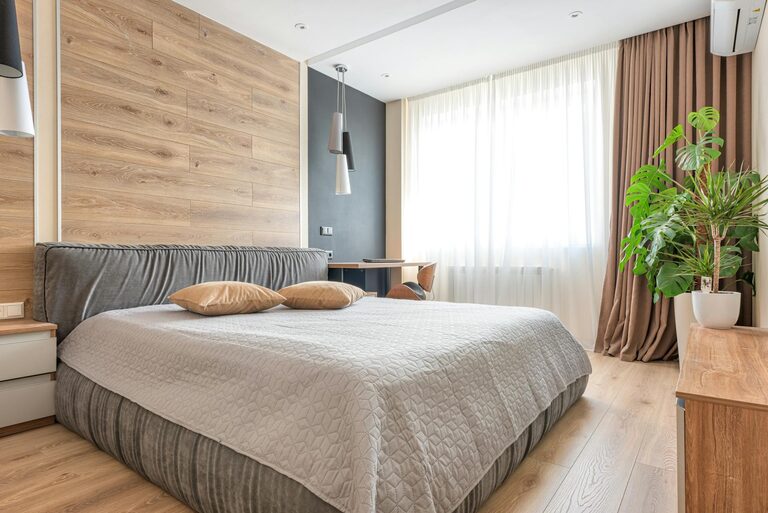
When a room feels dark and gloomy, it can impact your mood and the overall vibe of your home. Brightening a dark room doesn’t always require a full renovation or expensive upgrades. With some smart adjustments and creative ideas, you can transform a dim space into a light-filled, welcoming area. Here are several quick and practical ways to brighten a dark room and make it feel cozy at the same time.
1. Use Light and Neutral Colors on Walls and Ceilings
Dark walls absorb light, so switching to lighter colors can instantly brighten a room. Whites, creams, light grays, and pastels reflect natural and artificial light better than darker shades.
– Choose matt or eggshell finishes for walls to reduce shine but enhance brightness.
– Painting the ceiling white or a shade lighter than the walls will create a sense of airiness and open space.
– Don’t be afraid to add a pop of color in accents like cushions or artwork to keep the room interesting.
2. Maximize Natural Light
Natural light makes any space feel brighter and more inviting. While you may not be able to add windows easily, you can maximize the light you already receive.
– Keep windows clean and remove heavy curtains or blinds that block sunlight.
– Use sheer curtains that allow light in while providing privacy.
– Arrange furniture so it does not obstruct window space.
– Place light-colored or reflective surfaces nearby windows to bounce daylight deeper into the room.
3. Incorporate Mirrors to Reflect Light
Mirrors are one of the simplest and most effective tools to brighten a dark room.
– Position a large mirror opposite or adjacent to windows to reflect natural light.
– Use multiple smaller mirrors to add dimension and increase light spread.
– Decorative framed mirrors can also serve as artwork and focal points.
– Consider mirrored furniture or accessories for subtle light reflection.
4. Choose Bright, Layered Lighting Fixtures
Layered lighting can brighten a room evenly and add warmth.
– Use a combination of ambient lighting (ceiling fixtures), task lighting (table or floor lamps), and accent lighting (wall sconces or LED strip lights).
– Select bulbs with higher lumen output and a color temperature around 2700K-3000K for a warm, inviting glow.
– Consider smart bulbs to adjust brightness and tone throughout the day.
– Add pendant lights or chandeliers for style and more light coverage.
5. Opt for Light-Colored Furniture and Accessories
Furniture and textiles play a big role in how light or dark a room feels.
– Choose sofas, chairs, and tables in pale or neutral tones.
– Use cushions, throws, and rugs in light shades or with reflective textures.
– Avoid bulky, dark-colored furniture that can make a space feel cramped and shadowy.
– Glass, acrylic, or metallic furniture pieces reflect light and help maintain a bright aesthetic.
6. Declutter and Simplify the Space
Clutter can contribute to a feeling of heaviness and darkness in a room.
– Keep surfaces tidy and organized.
– Use baskets or attractive boxes for storage to reduce visual noise.
– Remove unnecessary dark or bulky items that crowd the space.
– Minimalist and clean designs allow light to fill the room unobstructed.
7. Add Plants and Natural Elements
Plants not only add visual interest but also help reflect light through their leaves.
– Choose indoor plants with bright green, glossy leaves.
– Place plants near windows or under lights for natural vibrance.
– Use light-colored pots made of ceramic or woven materials.
– Natural wood elements in furniture or decor introduce warmth and contrast pleasantly with bright walls.
8. Use Reflective Surfaces and Metallic Accents
Incorporating shiny and reflective materials can amplify the light in the room.
– Metallic picture frames, lamps, or decorative objects catch and reflect light.
– Glass or mirrored trays and vases add brightness.
– Avoid matte or heavily textured surfaces that absorb light.
– Even small touches of gold, silver, or chrome finish can improve room illumination.
9. Add Light Flooring or Rugs
Dark floors absorb much light, making the room feel darker overall.
– Use light-colored wood, laminate, or tile flooring if possible.
– Layer with light rugs featuring subtle patterns to brighten the floor area.
– Consider rugs with reflective threads or light-colored fibers to boost brightness.
– Lighter flooring also visually enlarges the space.
Final Thoughts
Brightening a dark room can be simple with the right strategies. Focus on bringing in more light through paint, mirrors, lighting, and thoughtful decor. Balancing brightness with warmth ensures your room feels inviting and livable. Try a combination of these quick tips to see your dark room transform into a cheerful and cozy haven in no time.
Remember, a bright room is not just about light levels—it’s about creating a positive ambiance that helps you feel comfortable and happy in your space. Experiment with different ideas and personalize your approach to suit your style and needs. Happy decorating!