
Taking care of yourself doesn’t have to involve expensive spa days or fancy products. Self-care is all about nurturing your mind, body, and spirit in ways that feel good and restore balance. The good news is that many self-care routines can be done right at home and cost very little—or even nothing at all. In this post, we’ll explore a variety of low-cost self-care ideas that help you unwind, recharge, and feel your best.
Why Prioritize Self-Care?
Self-care contributes to better mental health, reduced stress, and increased happiness. It doesn’t have to be a grand gesture. Small habits, practiced consistently, can make a significant difference. Budget-friendly self-care also encourages creativity and mindfulness, helping you discover simple pleasures that fit your lifestyle and schedule.
1. Create a Relaxing Environment
Your surroundings have a big impact on how you feel. Transform your space into a calming retreat by making a few inexpensive changes:
– Declutter: Spend a few minutes tidying up—clearing clutter can instantly lift your mood.
– Add Greenery: Bring in a few houseplants or fresh flowers, which are known to improve mood and air quality.
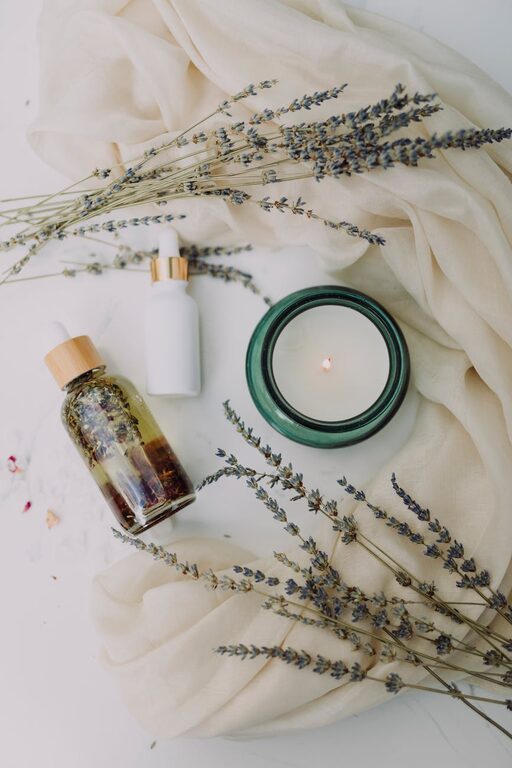
– Lighting: Use soft lighting like candles or string lights to create a warm, soothing atmosphere.
2. Practice Mindfulness and Meditation
Mindfulness and meditation are powerful tools to reduce anxiety and improve focus. They don’t require any special equipment and can be done anywhere:
– Guided Meditation: Find free meditation apps or videos online to help you get started.
– Breathing Exercises: Simple deep breathing techniques can calm your nervous system in minutes.
– Mindful Moments: Take time to notice your surroundings, your breath, or the sensation of your feet on the ground.
3. Take Care of Your Body
Physical self-care is essential and easy to practice at home without spending a lot:
– Home Workouts: There are countless free workout videos available, from yoga to cardio, suitable for all fitness levels.
– Stretching: Gentle stretching relieves tension and improves flexibility. Try a morning routine to start the day energized.
– DIY Spa Treatments: Use household ingredients like honey, oatmeal, or coconut oil for face masks, scrubs, or hair treatments.
4. Cultivate a Hobby or Creative Outlet
Hobbies are excellent for stress relief and can be low-cost or free:
– Journaling: Writing your thoughts and feelings helps process emotions and reflect.
– Drawing or Coloring: Even simple doodles or adult coloring books can boost concentration and calmness.
– Gardening: Growing plants or herbs connects you to nature and can be very satisfying.
– Cooking or Baking: Trying new recipes at home can be fun and nourishing.
5. Connect with Nature
Spending time outdoors is a natural mood lifter. If you have a yard or balcony, make the most of it:
– Daily Walks: Take a walk around your neighborhood or local park for fresh air and movement.
– Outdoor Reading or Relaxing: Read a book or simply sit with a cup of tea outside.
– Sunlight: Exposure to natural light supports vitamin D production and regulates sleep cycles.
6. Prioritize Rest and Sleep
Rest is one of the most overlooked forms of self-care. Good sleep habits are affordable and can be life-changing:
– Set a Routine: Try to go to bed and wake up at consistent times.
– Limit Screens Before Bed: Turn off devices at least 30 minutes before sleeping to improve rest.
– Create a Cozy Sleep Space: Use clean sheets, comfortable pillows, and keep your room cool and dark.
7. Practice Gratitude and Positive Affirmations
Cultivating gratitude helps shift focus from stress to what’s going well:
– Gratitude Lists: Each day, write down 3 things you’re thankful for.
– Affirmations: Repeat positive statements about yourself to boost confidence and kindness inwardly.
8. Enjoy Simple Pleasures
Sometimes self-care is just about taking time for small joys:
– Listen to Music or Podcasts: Pick calming or uplifting sounds.
– Watch a Feel-Good Movie: Choose films that make you laugh or inspire you.
– Sip a Warm Beverage: Herbal teas or warm lemon water can comfort and relax.
Tips for Making Low-Cost Self-Care a Habit
– Schedule It: Treat self-care like an appointment so you don’t skip it.
– Start Small: Even 5–10 minutes daily can be effective.
– Be Kind to Yourself: Don’t aim for perfection. It’s about feeling better, not achieving a goal.
– Mix and Match: Try different activities to see what resonates most with you.
Final Thoughts
Self-care is a personal journey, and there’s no one right way to do it. The key is to find affordable, enjoyable activities that fit your needs and lifestyle. Whether it’s a quiet moment with a cup of tea or an energizing walk, these simple self-care ideas can improve your well-being without costing much. Remember, investing time in yourself is important—and it’s something you deserve.